22. Le jardin du zapping
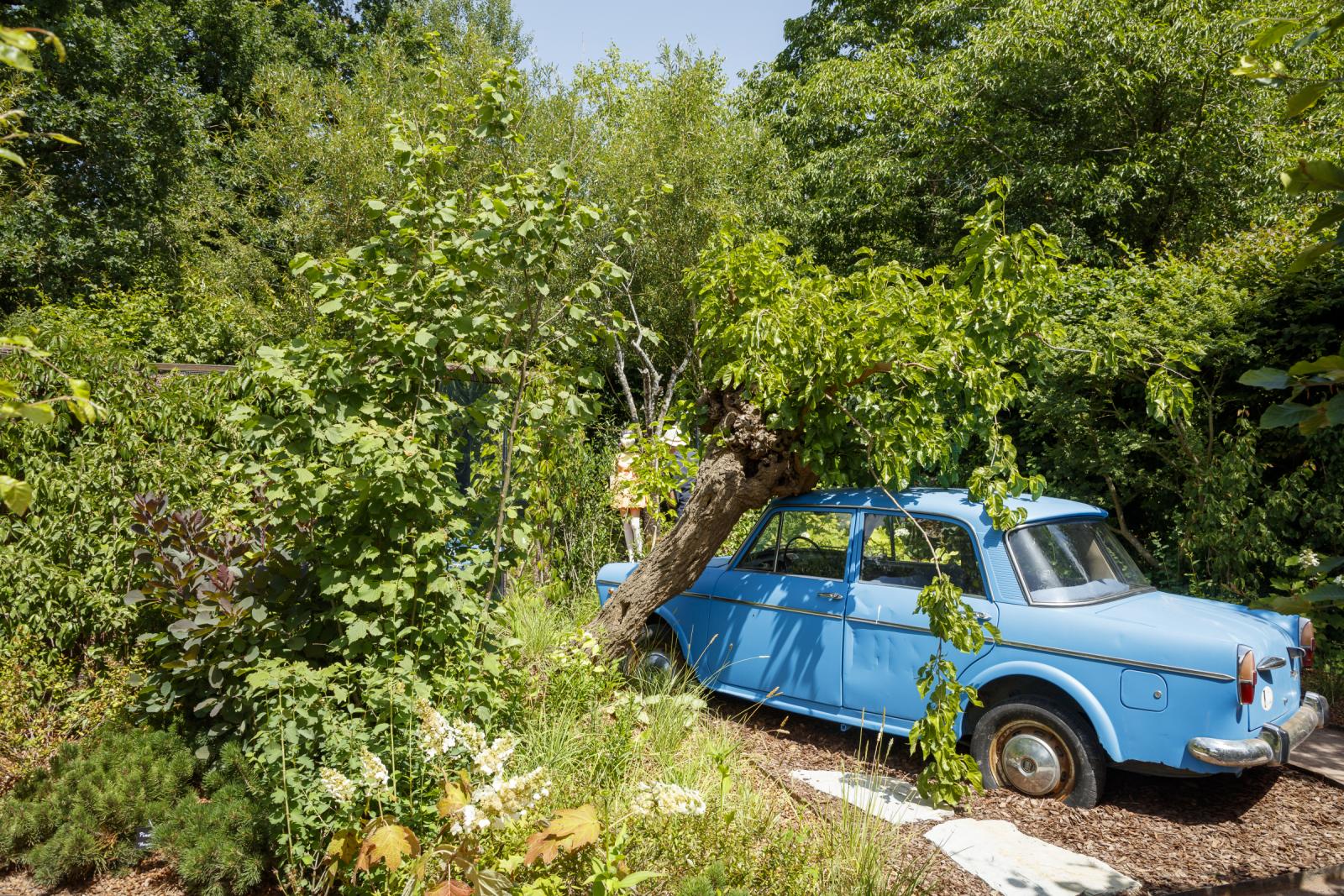
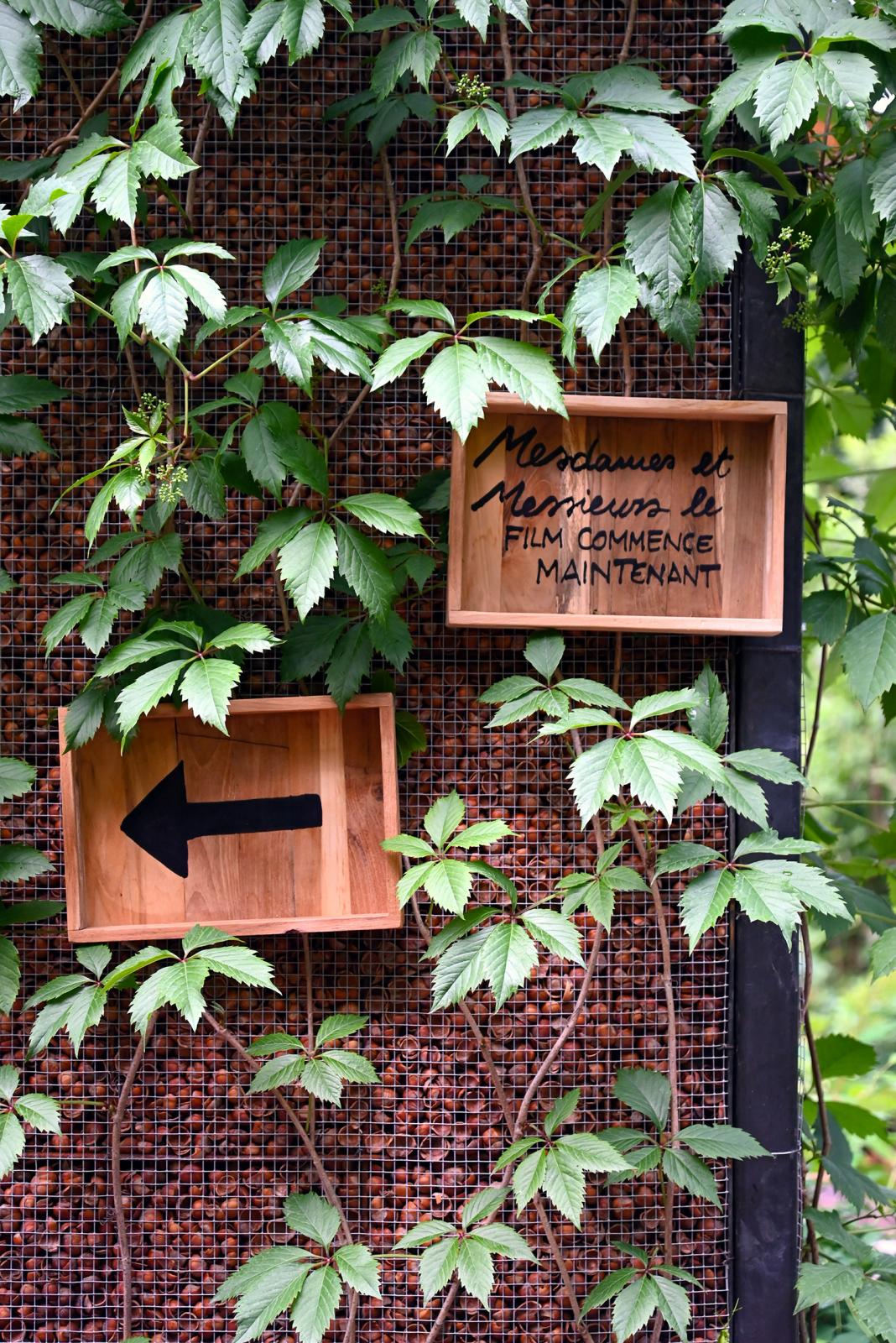
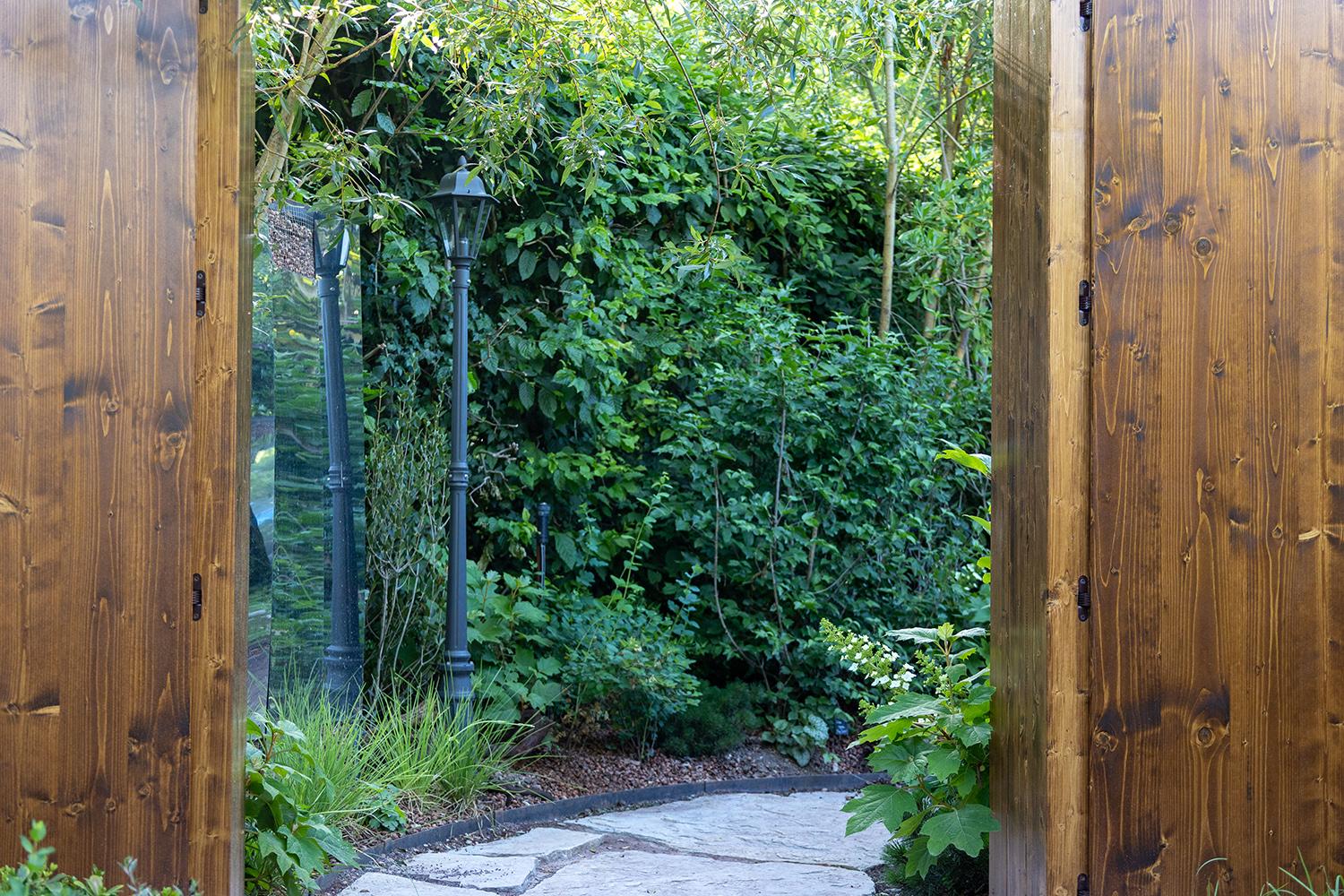
On-screen entertainment becomes a physical, three-dimensional experience. Moving away from the viewer’s traditional mode of consumption, the garden encourages us to become the veritable main characters in a journey inspired by famous television and cinema productions, namely The Martian, Harry Potter and the Chamber of Secrets, Squid Game and The Chronicles of Narnia. It makes it possible to move between scenes without any remote control.
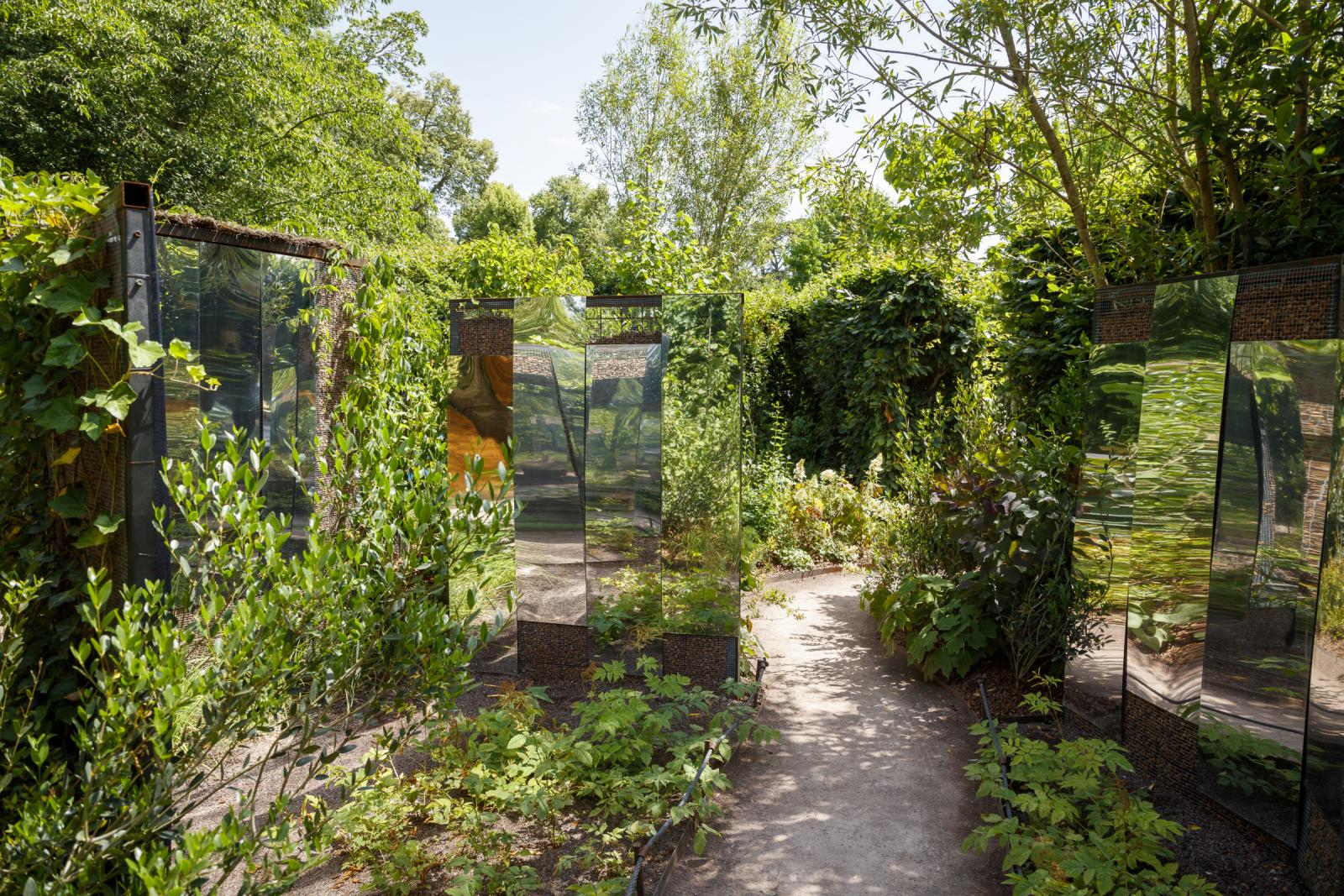
Strategic use of panels, reliefs and vegetations creates a sense of intimacy and mystery in every set, ensuring each scene is its own entirely separate world. The designers have given preference to recovered and recycled materials, such as using nutshells and scrap sheet metal.
The centre of the garden, sealed off by a series of panels, provides secret perspectives of each scene. In this sofa-free space, we can quickly flick from one scene to another, getting behind the camera and becoming the directors ourselves.
The aim of the installation is to actively involve visitors, whether in the spotlight or backstage, watching or being watched. It’s an odd exercise; the position behind the screen often making it impossible to step back! While cinema is the art of movement, gardens invite us to live it.
DESIGNERS
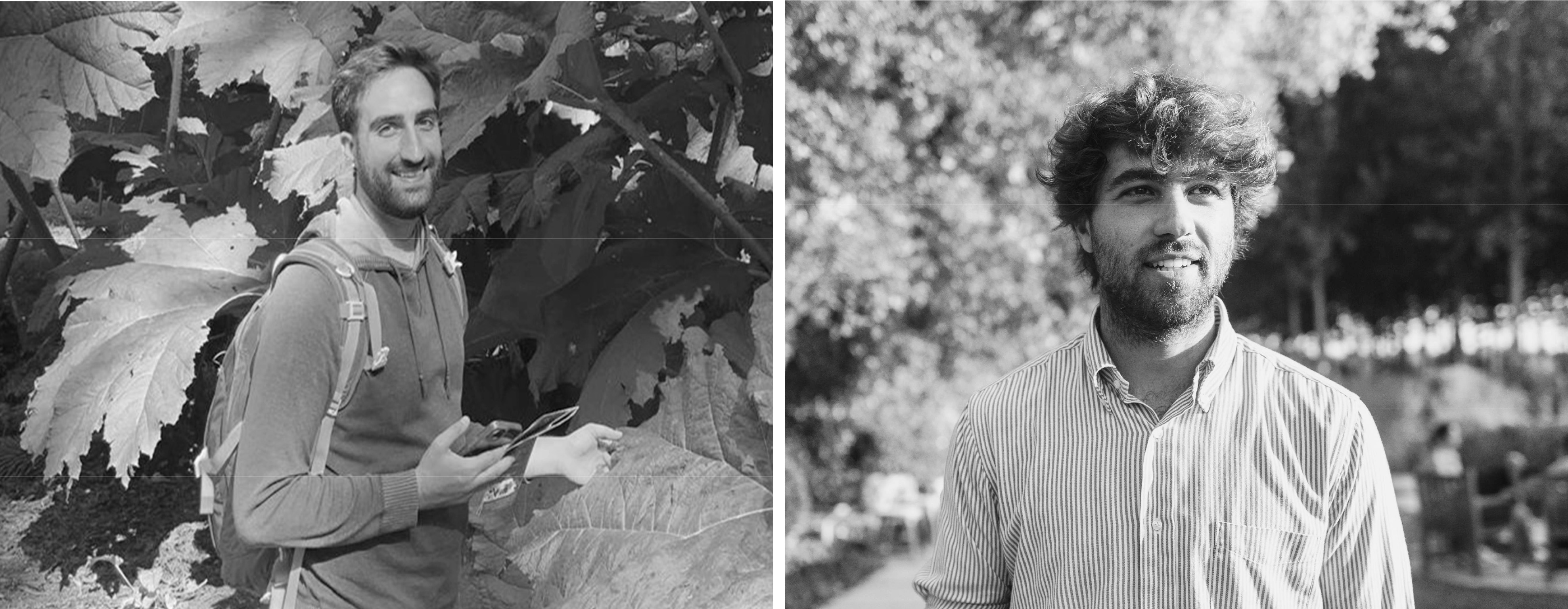
Sergio De Pra grew up to the rhythm of his father Orlando’s work as a garden designer and creator: a decisive influence that led him to discover the main structures and exhibitions devoted to gardens and landscapes, in Italy and in Europe alike, at an early age. After obtaining a degree in green-space and landscape design in Genoa, he made this inherited passion his profession, developing his first projects at the intersection of contemporary aesthetics and ecological awareness. Over the course of time, he has developed and acquired techniques for modelling and building outdoor structures, features and furniture, using natural and recycled materials (stone, wood and metal) in close collaboration with craftsmen. His highly pragmatic vision is not limited to spatial composition: it aims to create "narrative ecosystems" capable of evolving over time and establishing profound, made-to-measure dialogues between the natural world and those who experience it. Over the past eight years, he has specialised in the design and construction of natural swimming pools and biolakes; integration of natural phytodepuration systems enables him to enrich his projects with wetland biotopes of great ecological value. In 2022, he won first prize in the "Balconi per Roma" competition and published the ornamental plant management manual A contatto con gli Alberi. In 2024, he collaborated with the Modine company on the design and construction of a 30,000 m² park, restoring a former poplar grove and turning it into a biodiversity hotspot. In 2025, he was involved in the creation one of the Venice Biennale’s amenities. He is currently collaborating on the restoration of historic parks and the design of public and private green spaces.
Marco Offre was born in Turin in 1997 and grew up in Piobesi Torinese, a little village in the Piedmont countryside, where he developed a deep affinity with the plant world from an early age thanks to the family business, which specialised in the sale of ornamental and vegetable plants. This early experience provided him with first-hand knowledge of plants, which he went on to consolidate in his academic career: after a Bachelor’s degree in agronomic science and technology, he obtained a Master's in landscape design from the University of Genoa in 2022. After completing his studies, he began working with a number of Italian landscape architecture firms, overseeing projects across Italy in a wide variety of contexts. This experience has enabled him to acquire a solid grasp of the management of complex projects, covering all phases from ideation to technical direction and including maintenance aspects. These days, he works as a freelancer, designing and creating green spaces – parks, gardens and terraces – in the public and private sectors alike. He also advises on the management and maintenance of ornamental plants and carries out tree stability assessments. He practises his profession with passion and exacting standards, seeking to come up with new ways of seeing and thinking about everyday living environments, with a particular focus on plants. Aesthetics count in his approach but are never an end in themselves: his aim is to design and manage each green space with the help of innovative functional solutions, turning it into a living ecosystem capable of regenerating the environment and improving the quality of life of those who inhabit it.