23. Le Jeu de ma Mère l’Oye
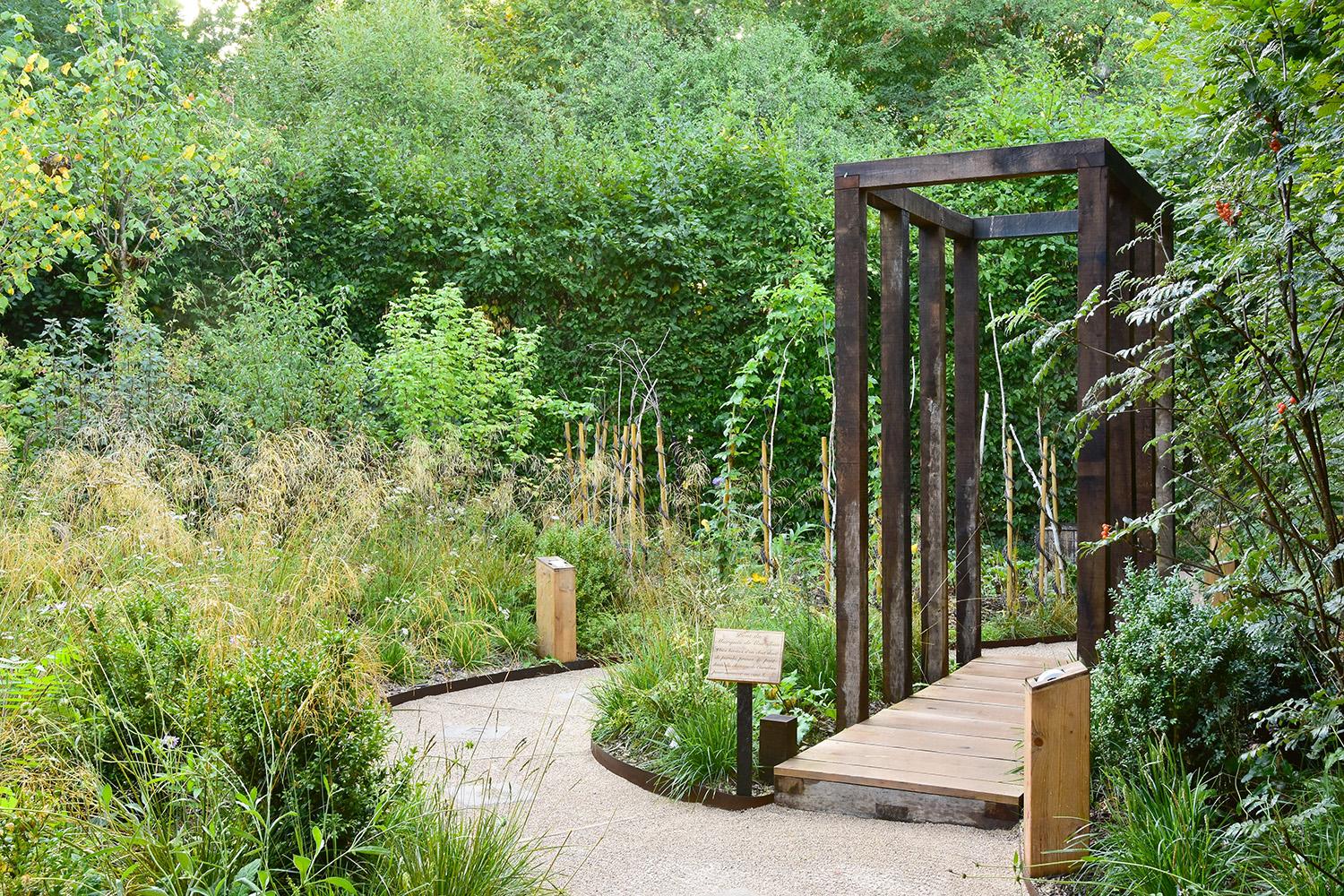
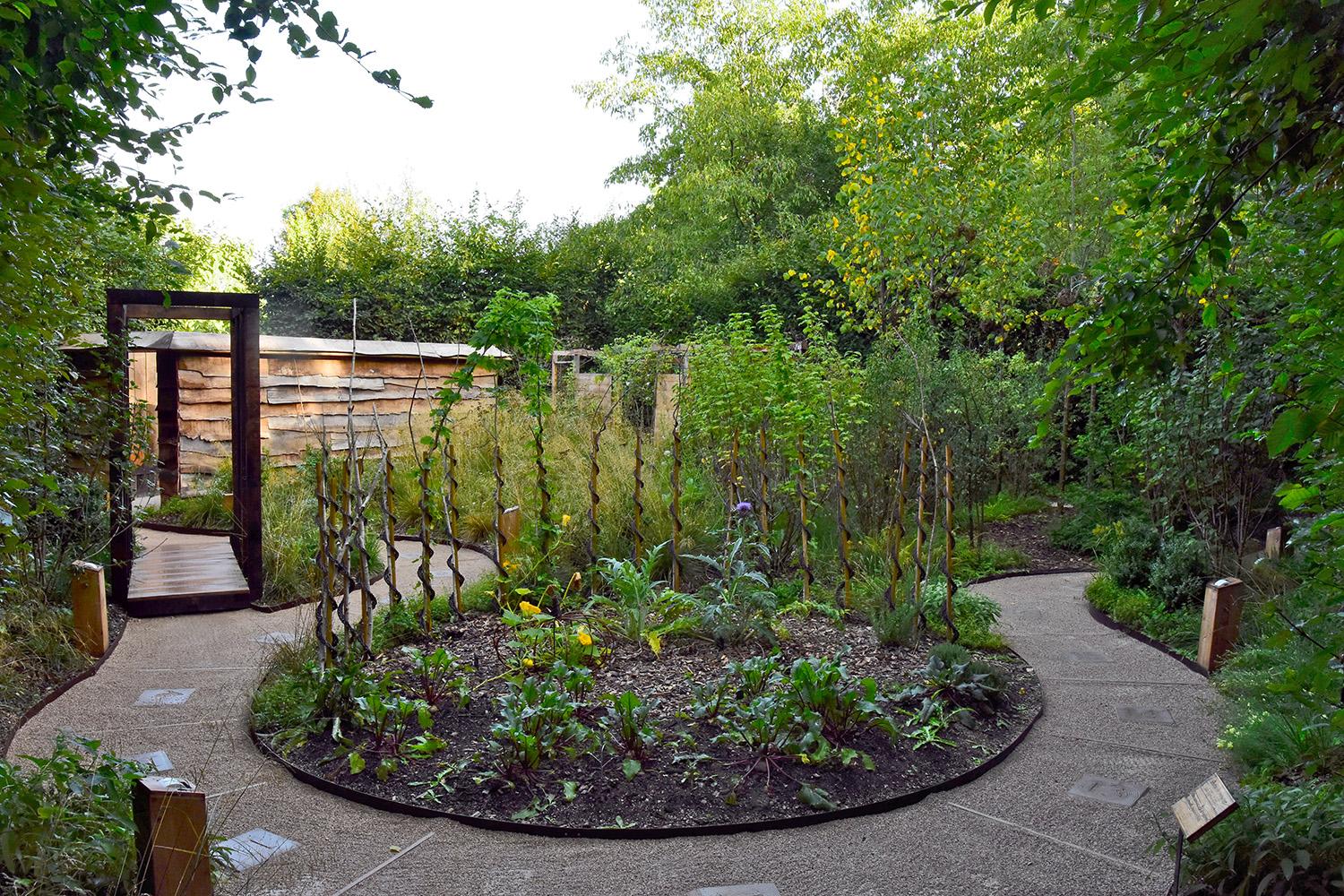
A life-size Game of the Goose creates humoristic links between four of Charles Perrault’s fairytales and the venerable board game. Just like the fairytales, the Game of the Goose dates back to antiquity, its board symbolises the path to be taken to gain a better understanding of the world and its special squares (bridge, well, maze and prison) recall the trials that heroes must overcome.
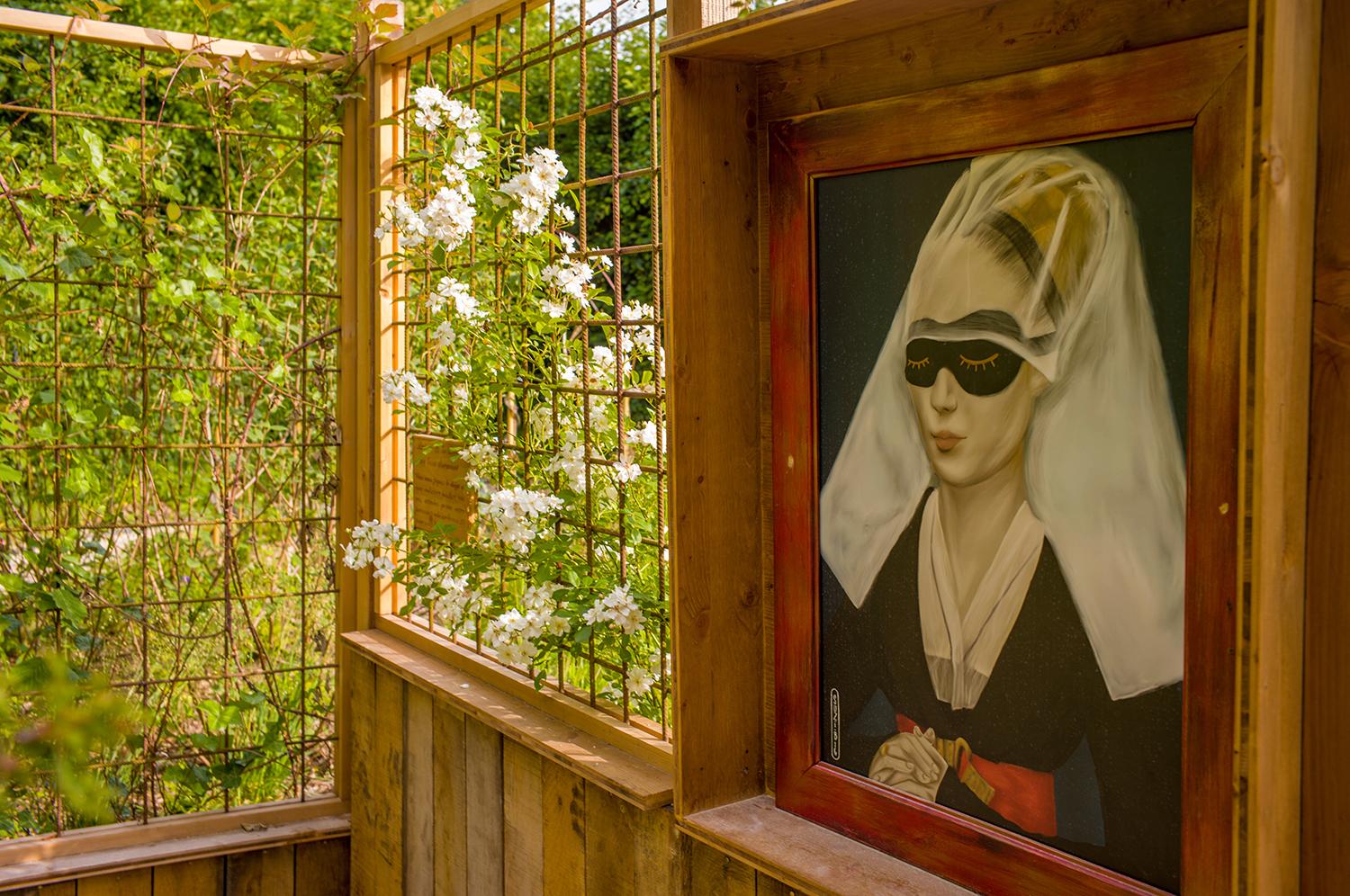
To begin the game, visitors use dice inside the house of Mother Goose, before embarking along a trail of numbered squares with plenty of surprises in store. The special squares in the game gradually open up onto entrancing landscaped spaces. The garden features different “events” like the drawbridge of the Marquis of Carabas’ castle or Hop-o’-My-Thumb’s winding trail of white pebbles as well as original furniture where you can sit or lie down: a well-seat facing the garden with Cinderella’s pumpkins and Sleeping Beauty’s sun lounger with shade. A meadow area, with its parade of wildflowers (poppies, corncockles and cornflowers), lies next to heirloom vegetables like cardoon, chard and peanut pumpkin, while coppices with standards or thorn bushes recreate the mediaeval atmosphere of fairytales.
Le Jeu de ma Mère l’Oye (The Mother Goose Game) also plays a heritage role, harking back to the entertainments of the 18th century. Giant Games of the Goose have thus cropped up in the gardens of the châteaux at Choisy-le-Roi, Chamarande and Chantilly. The guests of Louis II de Bourbon, Prince of Condé, or of Louis XV, used to stroll along alleyways dotted with squares marked on the ground or rimmed with hedges. Now it’s the Château of Chaumont-sur-Loire’s turn!
DESIGNERS

As a child, Pierre-Alain Bigot redesigned his bedroom in search of his ideal space, and planted irises and dahlias in his grandfather's garden. Was his vocation for landscaping decided at such an early age? No doubt... although he experimented with several media before finding his niche. He took his first steps in carpentry at the École Boulle, where he learnt the craftsmanship approach, which opened up the field of possibilities, leading from the concept or idea to its physical creation. He dabbled in architecture, which enabled him to tame space, but it remained too rigid for him. After a few summer jobs with an idealistic landscaping uncle and a course at the École Supérieure des Agricultures in Angers, he identified his true passion: plants and living things. Suggesting a project, thinking it up, designing it, carrying it out and always letting nature surprise you: this is what drives him. Since then, he composes with colours (from shades of green in the foliage to colourful touches of flowers), playing with the light and shade of the plants (fluffy grasses, structuring shrubs) and nature, his ally, does the rest! His career has taken him from private gardens to public spaces, with the aim of reviving the sensitive and innocent vision of childhood and rebuilding a connection with nature. He draws his inspiration from the great outdoors (volcanic landscapes, forests, meadows) to nourish our urban spaces and try to move the part of us that feels connected to living things. He is especially sought after to reflect on the place of children in outdoor spaces, by creating or renovating parks and playgrounds. He uses aesthetic and playful elements, with spaces revealed as you walk along and hidden details, spotted by those paying attention. He invites us to slow down and enjoy an immersive experience in his gardens, as in Le Jeu de ma Mère l'Oye for the Chaumont-sur-Loire International Garden Festival: a succession of scenes that play with revealing that which is hidden, surprising the person walking through as the game progresses..