12.
Stalker
un jardin de résilience
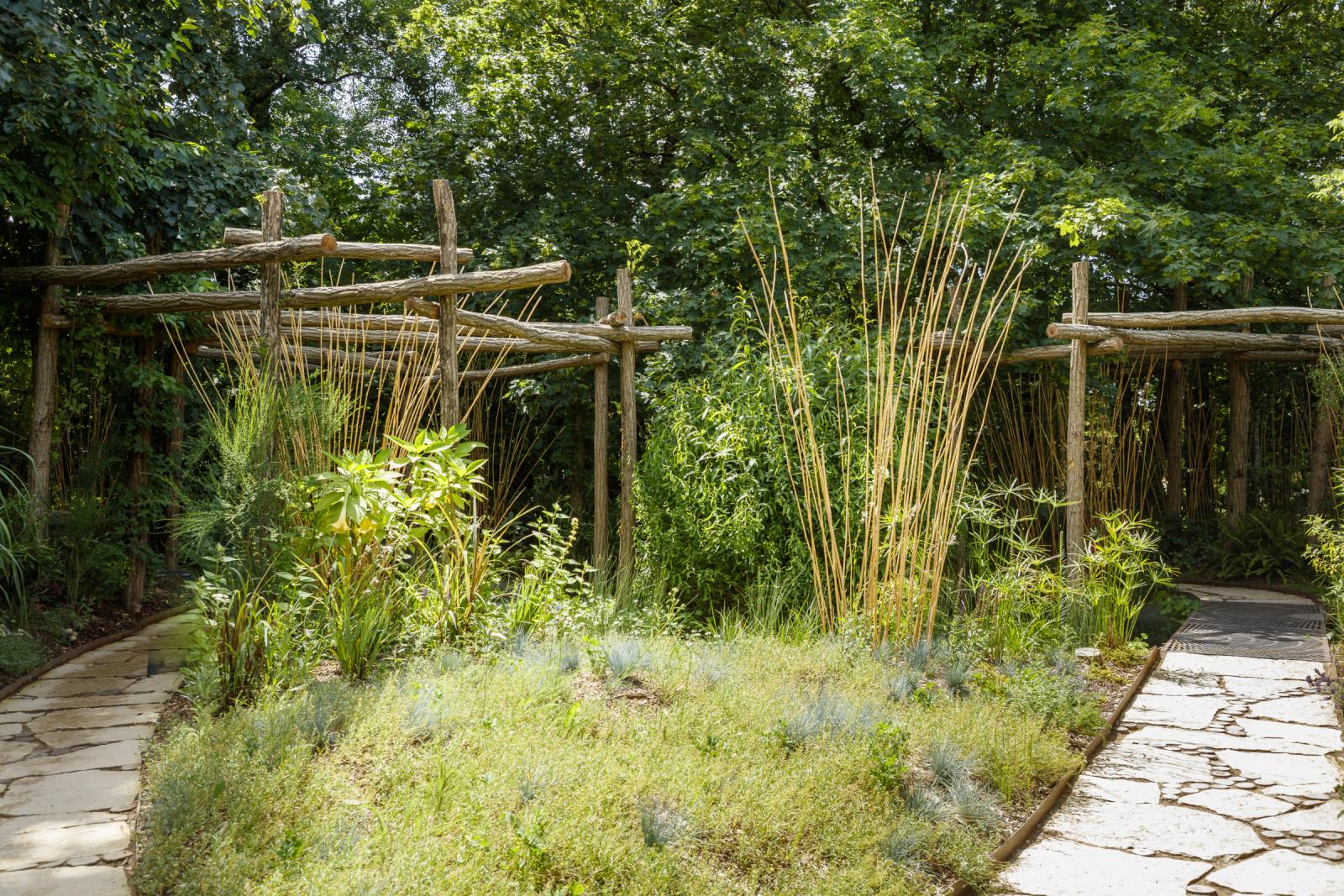
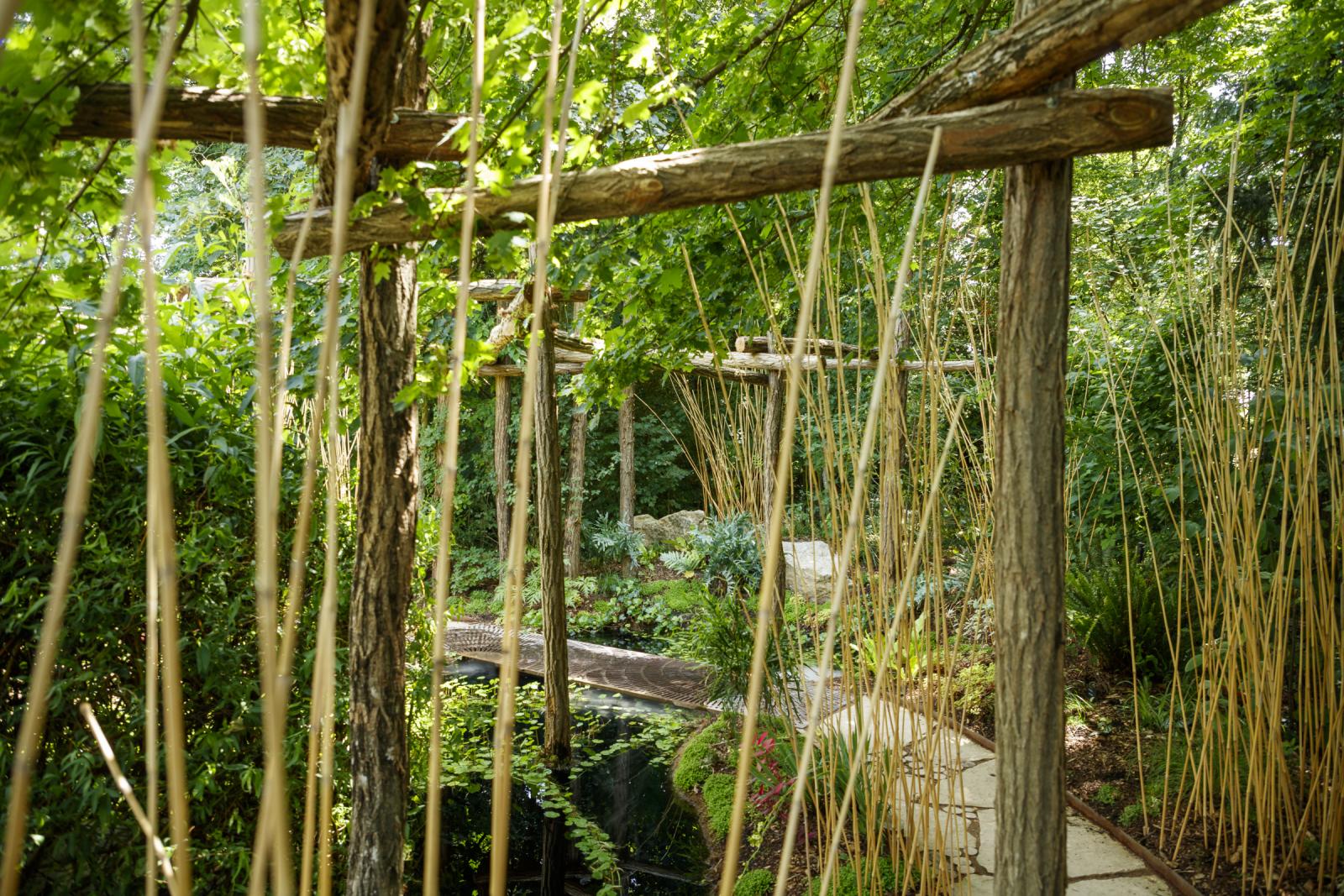
Andrei Tarkovsky’s film Stalker is a 20th-century masterpiece. Created in 1979, it tells of a mysterious Zone where the laws of nature and rules of space-time are reversed. The Room is a place where clandestine visitors come to rediscover secrets and have their wishes granted. The character guiding these visitors through the Zone is Stalker. We are not told what exactly happened in this quarantined, entirely sealed-off area; it could have been a war, an unknown virus or a technological disaster… Created before the Chernobyl and Fukushima disasters, and before the pandemic, this visionary film foreshadows the situations humanity will end up facing in the following decades. For artist Olga Kisseleva, the garden is a 21st-century response to the filmmaker’s work. It is the Zone where nature rebels and transforms in the face of anthropocentric behaviour.
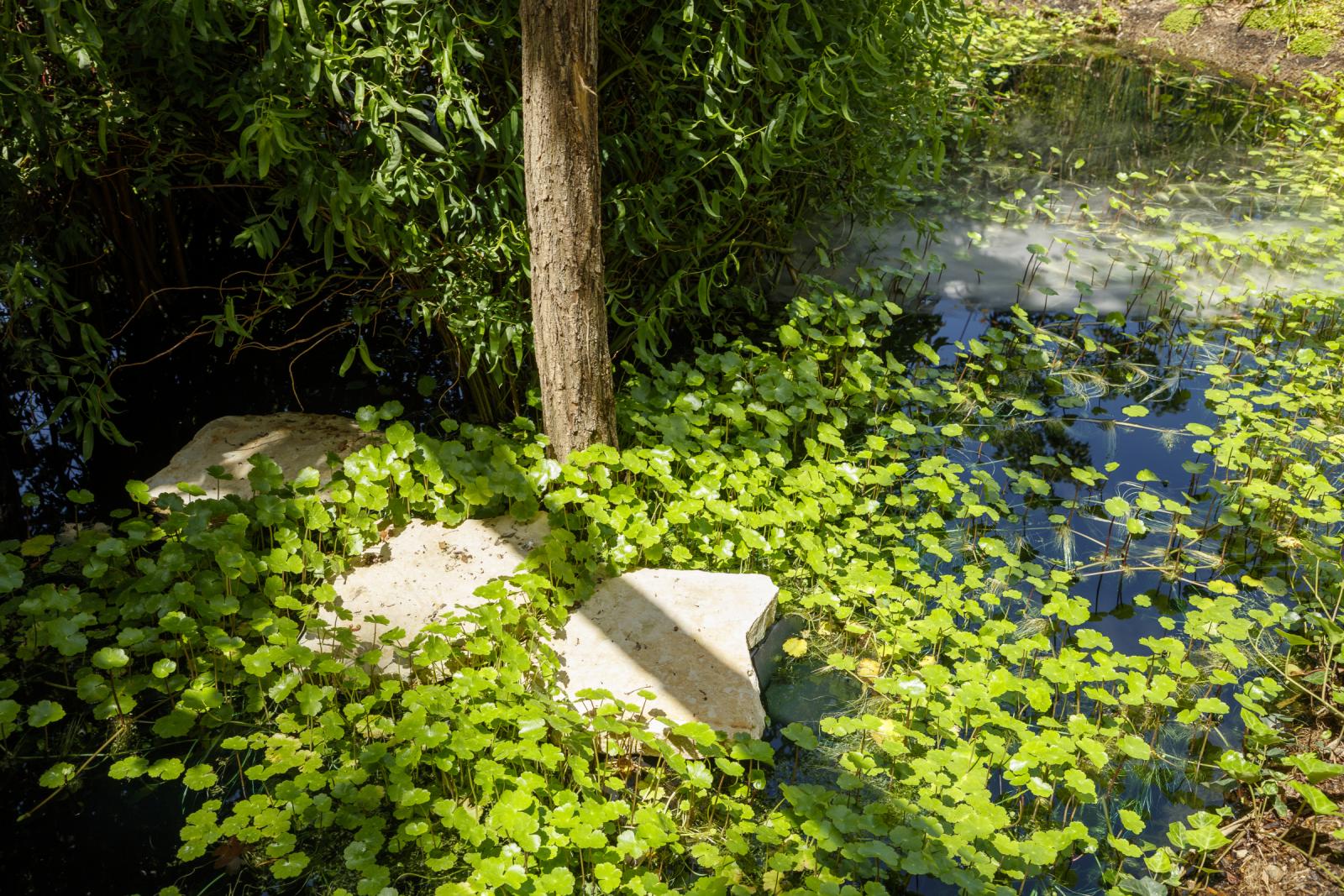
In the landscapes turned upside down by human impact, life has not disappeared; it is instead inventing new strategies, adapting, rebuilding itself. Even in radiation-affected areas, life endures with the appearance of new radiotrophic organisms that use the radiation’s energy to grow. The soils burnt or contaminated by heavy metals now house lichen and moss capable of preparing the land for other lifeforms. These are succeeded by pioneer plants that feed off environments previously believed to be barren. In areas polluted with industrial waste, hyperaccumulator plants suck the heavy metals out of the soil, while mycelia (the underground parts of mushrooms) break down hydrocarbons and regenerate contaminated soils. And nitrogen-fixing bacteria lay the chemical foundations for the plants’ rebirth.
Nature is not erasing disaster. As a true science-fiction heroine, it is instead creating the conditions for a new beginning in every crack and fissure of the world.
DESIGNERS
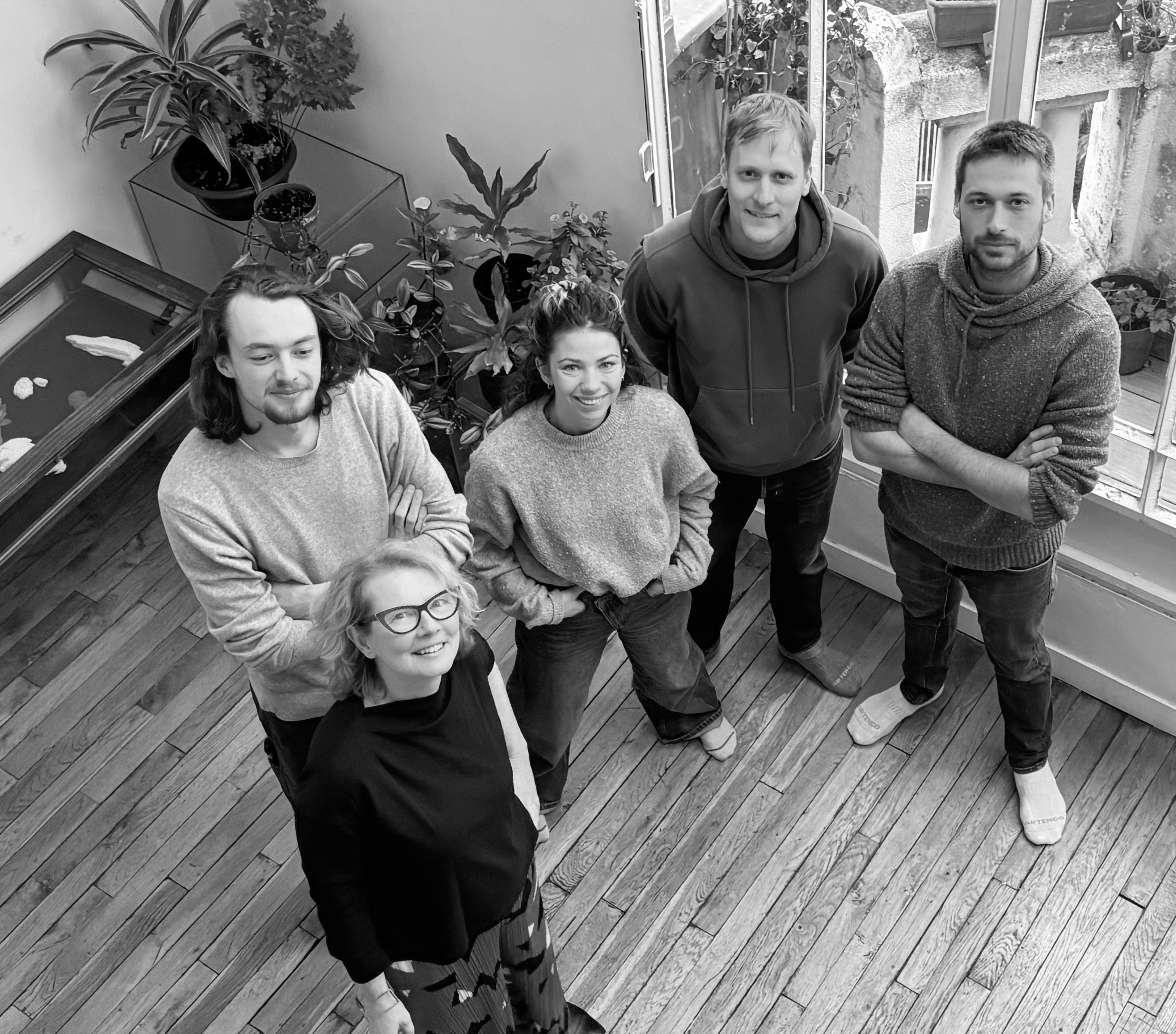
Olga Kisseleva is an international artist who plays a pioneering role in research and reflection on emerging forms of creation. Her works do not just exist to be looked at: they adjust humankind’s place in its environment. In 2012, a tree brought the artist to bioart, the area of art that engages with living things. She decided to pay tribute to the Biscarrosse Elm, which had died of Dutch elm disease, not by erecting a monument to its memory but by providing it with offspring thanks to the collaboration of several laboratories. Bioprésence initiated a long-term project that took her from Kazakhstan to Australia by way of Brazil, Japan and Israel. Today, a one-tree project has become a project embracing many others: EDEN (Ethics and Durability for an Ecology of Nature). Each project starts with an analysis of the data collected and a study of the biological, historical, sociological and cultural environment of the trees involved. She sees them as living beings, just like humans, capable of recording events in their memories, communicating with each other and helping each other to solve problems. Her works reveal the life buried in the heart of trees: they lead us along paths taken by Buddha and Baba Yaga, leaving visitors speechless at the foot of Auschwitz’s birch trees and the poplars in Babi Yar. Olga Kisseleva teaches contemporary art and bioart at Panthéon-Sorbonne University, where she founded the Art&Science laboratory.
Maayane Mouchenik has developed a practice at the crossroads of landscaping, gardening and the knowhow of living things, combining technical rigour, a sense of detail and close attention to uses. After completing a baccalaureate in laboratory sciences and technologies (STL) at Lycée Pierre-Gilles-de-Gennes, she graduated from the École du Breuil (Paris School of Horticulture and Landscaping) with a Vocational Diploma in Farm Management (BPREA) specialising in gardening and landscaping, so providing herself with a solid scientific and agricultural basis. Today, she applies this knowledge to ambitious projects in the living world, combining design, implementation and transmission. She has managed the Kern restaurant in Haute-Savoie, working alongside the chef Jean-Philippe Lemaire, since it opened in 2022. Known for its refined, creative cuisine inspired by Savoyard nature, and for its ecological and environmental commitment, the restaurant was awarded its first Michelin star after just two years in business. A full partner in the project, she contributed to the distinction by creating the identity of the restaurant, which celebrates living things with love, passion, respect and rigour. At the same time, she has been developing a personal creative practice through the 21graame brand of clothing and design objects. Her craftswomanship in this area nourishes her relationship with gesture, matter and time, in direct resonance with her vision of the garden as a sensitive, constructed, inhabited space.
When he was just 10 years old, Alain Ratoret developed a keen interest in the plant world, nurtured by the special relationship he had with his grandmother. Passionate and attentive, she accompanied him: he spent his Sundays pruning and taking cuttings from and transplanting a wide variety of plants. So his career choice became self-evident. After five years of study at the École du Breuil (Paris School of Horticulture and Landscaping), he began his career in 2007 as a gardener at the Coulée Verte in Paris. He then moved to the Parc de Bercy, where spent ten years working on a thirteen-hectare site, his daily routine structured by the creation of floral decorations and the upkeep of orange trees, vines and the garden of scents. In 2017, he was recruited to work in the Élysée Palace’s presidential gardens, an environment requiring the highest of standards. This fascinating and very valuable learning experience gave him the impetus he needed to shift to transmission. So he returned to the École du Breuil, no longer as a student but as a teacher, in order to pass on the knowledge and experience he had acquired from his mentors over the course of his professional career.
Savinien Chatel has nurtured a deep attachment to nature since childhood, shaped by walks through the forest, holidays in the country and games in the tall grass. This early relationship with the living world laid the foundations of his career. After a scientific baccalaureate, he opted for a more practical approach by enrolling in a BTS (Advanced Technician Certificate) course in landscape design. Diploma in hand, he entered professional life by passing the City of Paris gardener recruitment exam. He started out at the City of Paris horticultural production centre, where he discovered the challenges involved in plant production, so enriching his understanding of the gardening profession. Keen to deepen and broaden his knowledge, he continued his career at the Parc Monceau, and then at the École du Breuil. These experiences have enabled him to explore new fields, going beyond the garden context and opening himself up more widely to the living world and its connections with art.
Philippe Balhadere, a recent graduate of the Paris-La Villette National Higher School of Architecture (ENSA), is particularly interested in the intersections between architecture, landscape, design and art. His career has led him to work on issues relating to climate, heritage and uses, through his studies, workshops and agency experience in France and abroad. He approaches projects with particular attention to context and existing resources. Interested in the fields of architecture and related disciplines, he places great importance on collective work and crosscutting approaches.