03. Avatar
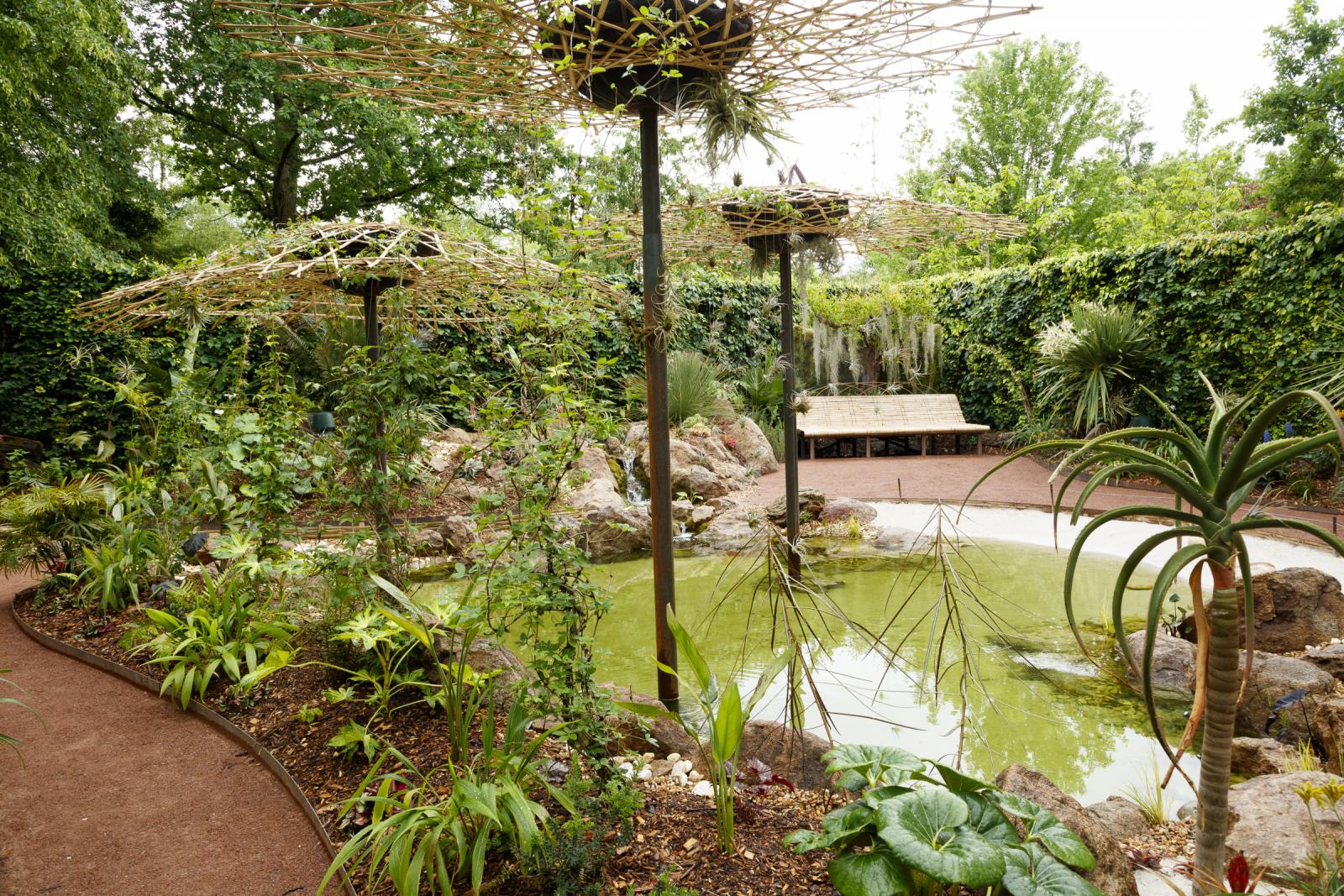
This garden is a manifesto for a living planet, where culture and nature fuse to create a landscape inspired by the jungle and its protective coolness.
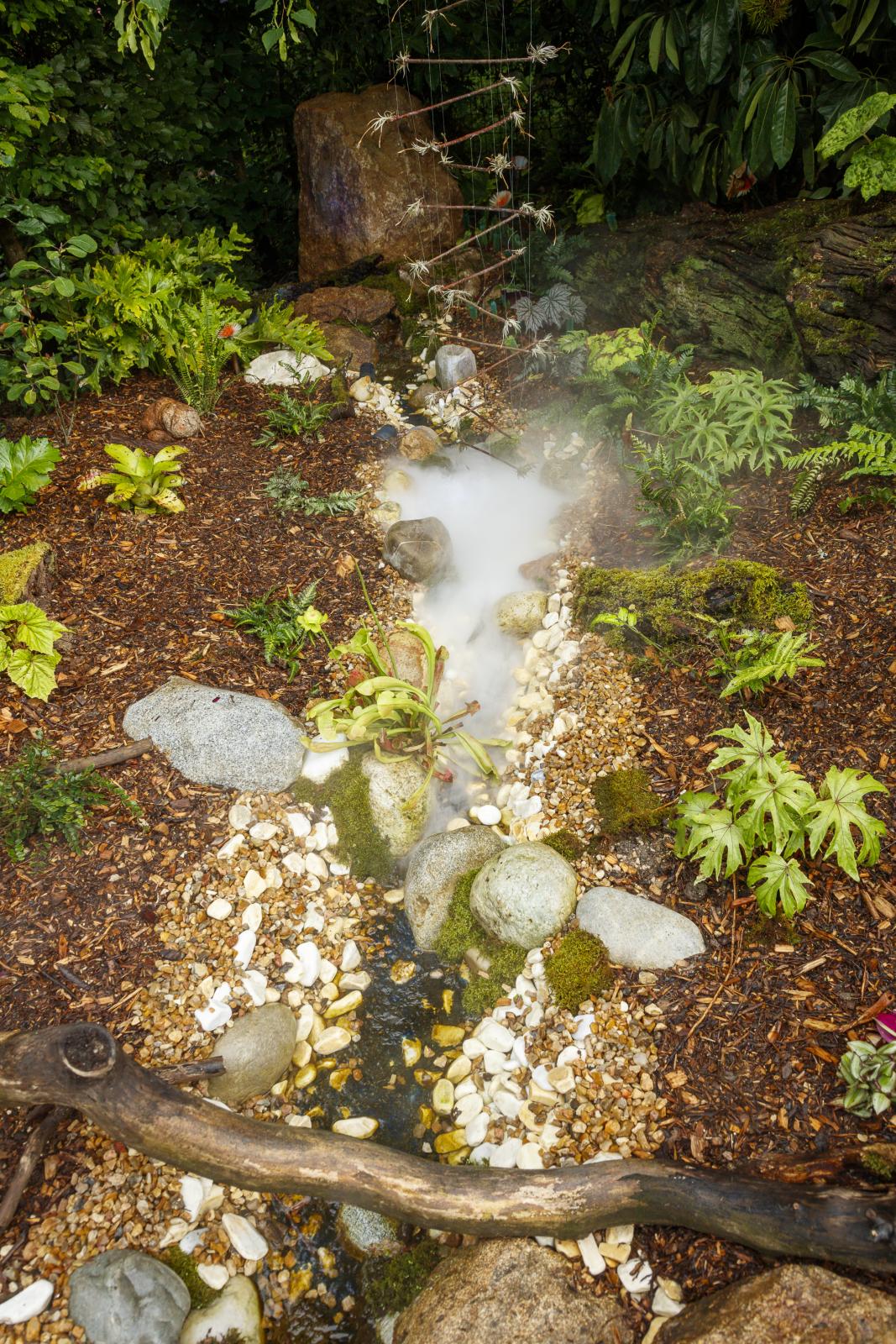
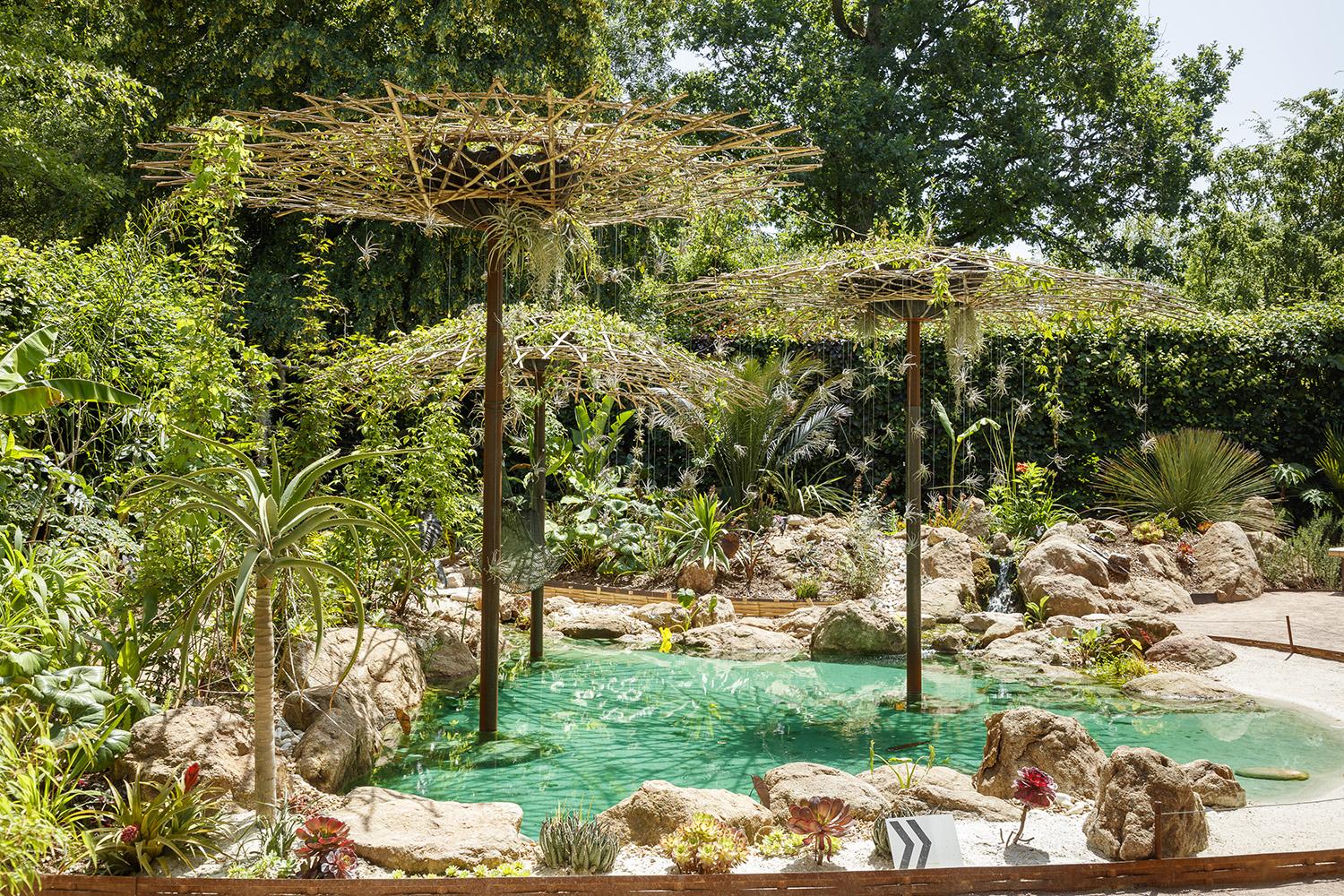
The path around the natural pond and green shade house provides a series of multisensory stimulations that make this garden an immersive experience. At its centre, a turquoise pond reminiscent of a lagoon teeming with fish boasts a natural form of waste stabilisation. The bio-beneficial plants act as natural filters, producing clear, living water that is oxygenated by the waterfalls. Above the pond, a braided bamboo canopy measuring 6.5 m in diameter is evocative of the floating rocks of Pandora, the planet featured in the film Avatar. The flower-filled meadows and climbing plants covering it gradually take over the structure, creating beneficial shade above the lush nature. This installation provides a natural cooling solution, forming a veritable little island of freshness, where vegetation and water join forces to modulate, purify and regenerate the atmosphere.
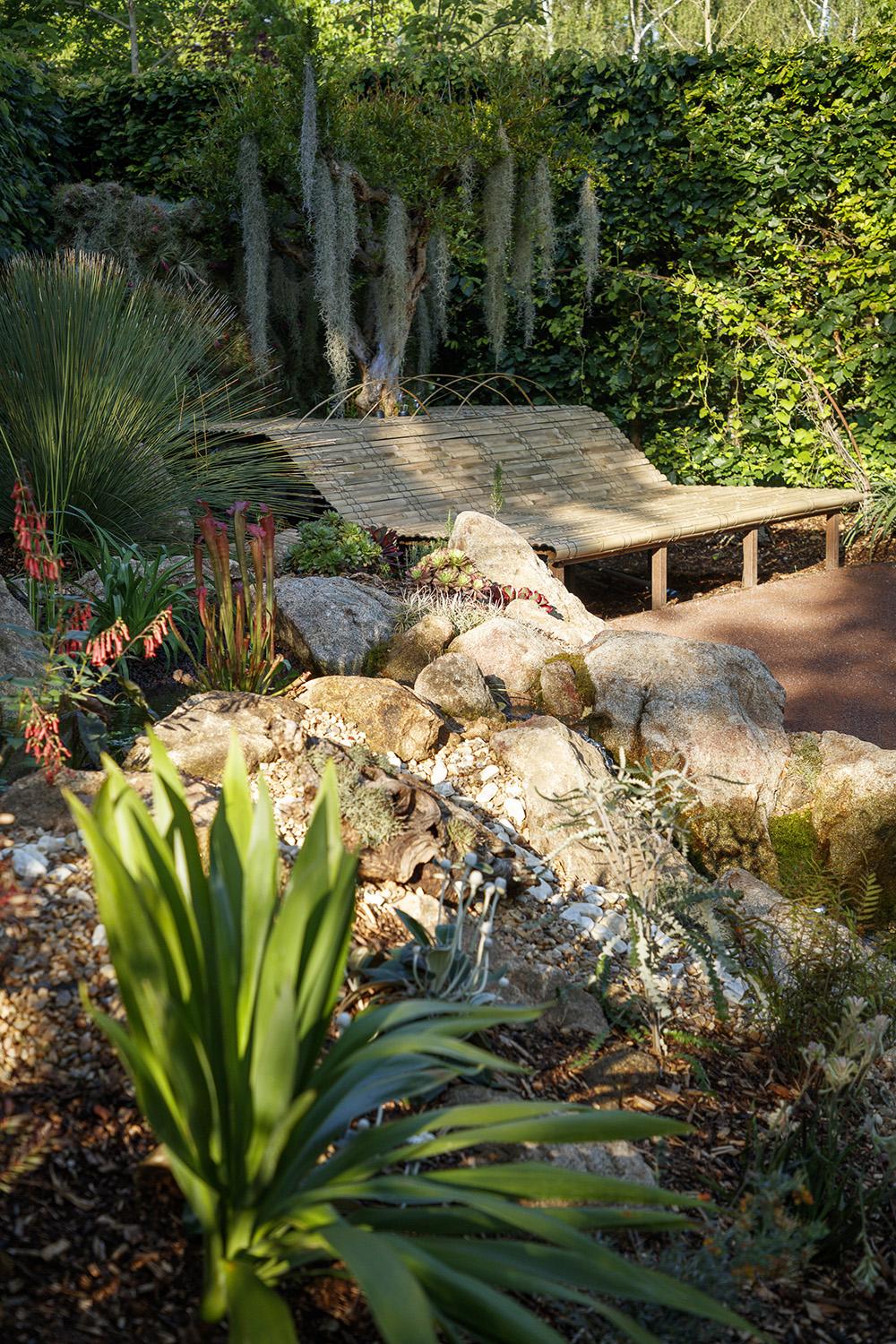
Tillandsias, epiphytes nicknamed “air plants”, hang or sit on branches. They immerse us in the mysterious world of rootless plants, appearing almost like seeds, insects or birds. The round bench decorated with poplar chips encourages visitors to lie down under a “magic” tree, plunging us back into the world of Avatar and its iconic Tree of Souls.
Far from being a simple cinematographic tribute, the Avatar garden is an artistic and environmental experiment offering real solutions for adapting to climate change. By combining plants, water and natural engineering, it demonstrates a garden’s ability to become a tool for resilience and wellbeing, using art as a means of benefiting and fostering quality of life and the future of the living world.
DESIGNERS
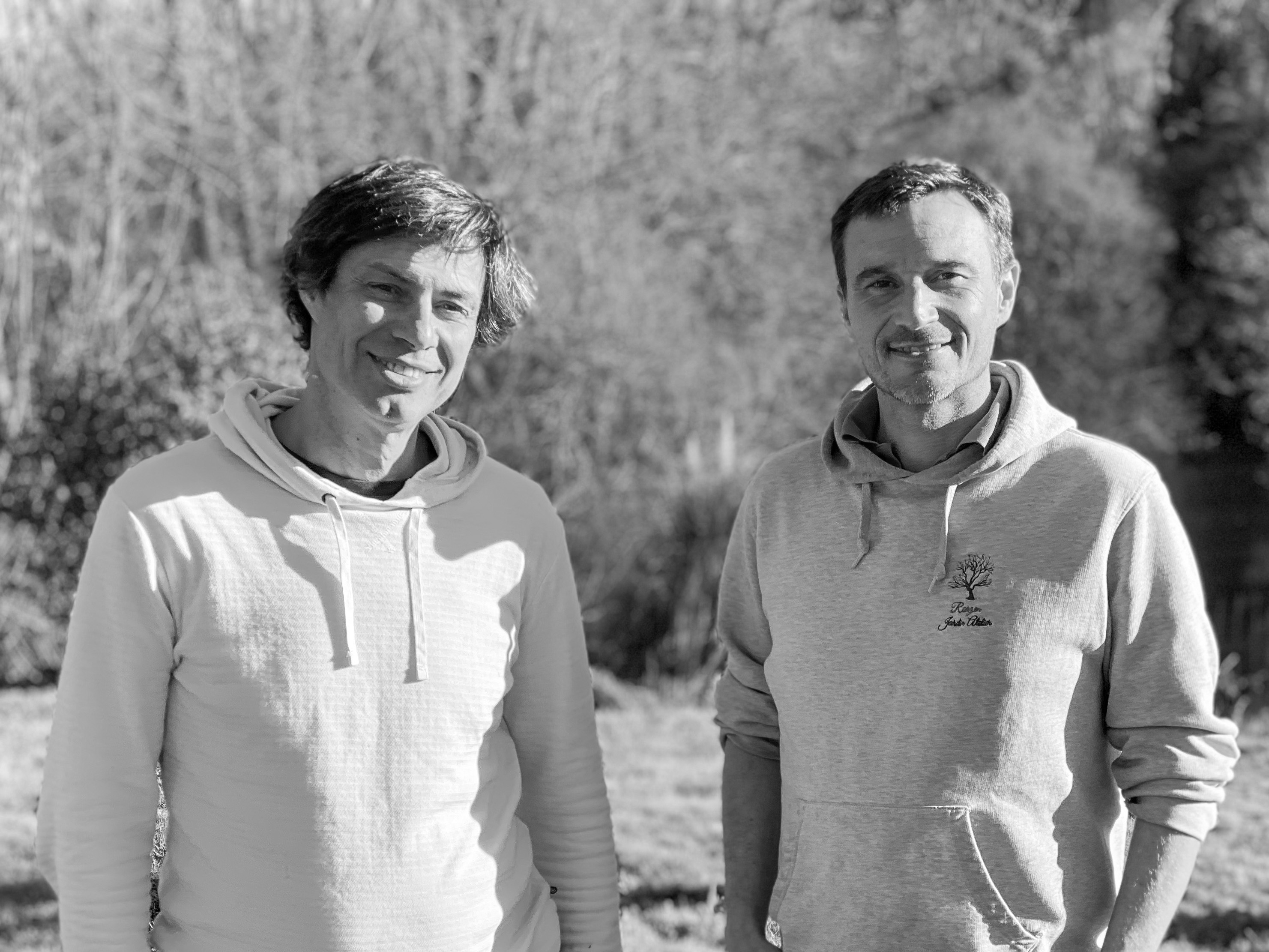
A pioneer of plant-based design for over twenty years, Alexis Tricoire puts living things at the heart of everyday life, creating immersive installations that encourage better understanding of natural phenomena and the urgent need to preserve the environment. Each of his projects combines innovation, aesthetics and attention to the living world. After studying at the National Higher School of Applied Arts and Crafts (ENSAAMA), then design and furniture design at the National Higher School of Art and Design (ENSAD), he specialised in interior architecture at the Art Institute of Chicago in the late 1990s. In 2006, his collaboration with the botanist Patrick Blanc on the "Folies végétales" exhibition (Espace EDF Electra, Paris) marked a turning point, with their development of innovative installations featuring living plants in a museum context. The Tricoire Design studio then devoted itself to objects, scenographies and spaces that bring city-dwellers closer to nature: the Babylone chandelier manufactured by Greenworks, urban furniture with Atech and TF Urban, and microarchitectures such as the Nouveau Monde hut at the Grand Palais (COP21 Solutions). His creations have been exported to Europe and beyond (Shanghai, Bali and Doha, notably for Hermès), and have won over such major actors as Westfield Unibail-Rodamco, SFL, BNP REIM and Galeries Lafayette, which have entrusted him with creating permanent monumental sculptures and original furniture in commercial and business spaces, including "La Forêt suspendue" (The Suspended Forest) at the Angers-Saint-Laud TGV station. His work has been presented in numerous cultural and institutional venues (including the Palace of Versailles Gardens, the Grandes Serres du Jardin des Plantes, the International Garden Festival at Chaumont-spur-Loire, the Ministry of Ecology and the Grand Palais). He is currently presenting an immersive installation at the City of Science and Industry (La Villette, Paris), in the exhibition Jardiner (Gardening), on the theme of planetary boundaries (until July 12, 2026).
Romain Le Bescond is a Zen garden artist and aquascaper, water landscape designer. For the past fifteen years, he and his team have been creating dreamlike settings inspired by his roots and unique career path. In 2003, he was spotted as a self-taught artist and met landscape artist Erik Borja. As a result, he was invited to take part in the latter’s work at his Jardin-Atelier Zen in Baumont-Monteux for two years. In parallel, he undertook traditional Japanese training with another master, Guy Maillot, perfecting his art of plant sculpture and understanding of the symbiotic principles of life through minimalism. After graduating in plant sciences in 2005, he began his professional career with the French Ministry of Agriculture, teaching agronomy and soil science at various learning levels for five years. Shored up by his convictions and his determination to make as many people as possible aware of nature’s subtle balances, he created his Jardin Atelier in the heart of the Normandy hills, naming it Rarzen. There, he conducts experiments in acclimation of new plants through sustainable landscaping solutions. The question of water, an element of fundamental importance to life, is his main focus: he has assembled a team of craftsmen and technical assistants to carry out initial research on efficient, balanced water purification in a mineral and plant setting. His aquatic works are now in evidence nationwide, from the shores of the Mediterranean to the Atlantic coasts. They are evocative, contemplative and playful all at once, meeting the need for wellbeing and biodiversity in the habitats of tomorrow. They are the fruit of a special knowledge of living things and their biotopes, as well as of an artistic dimension inspired by the landscapes of his native Brittany.